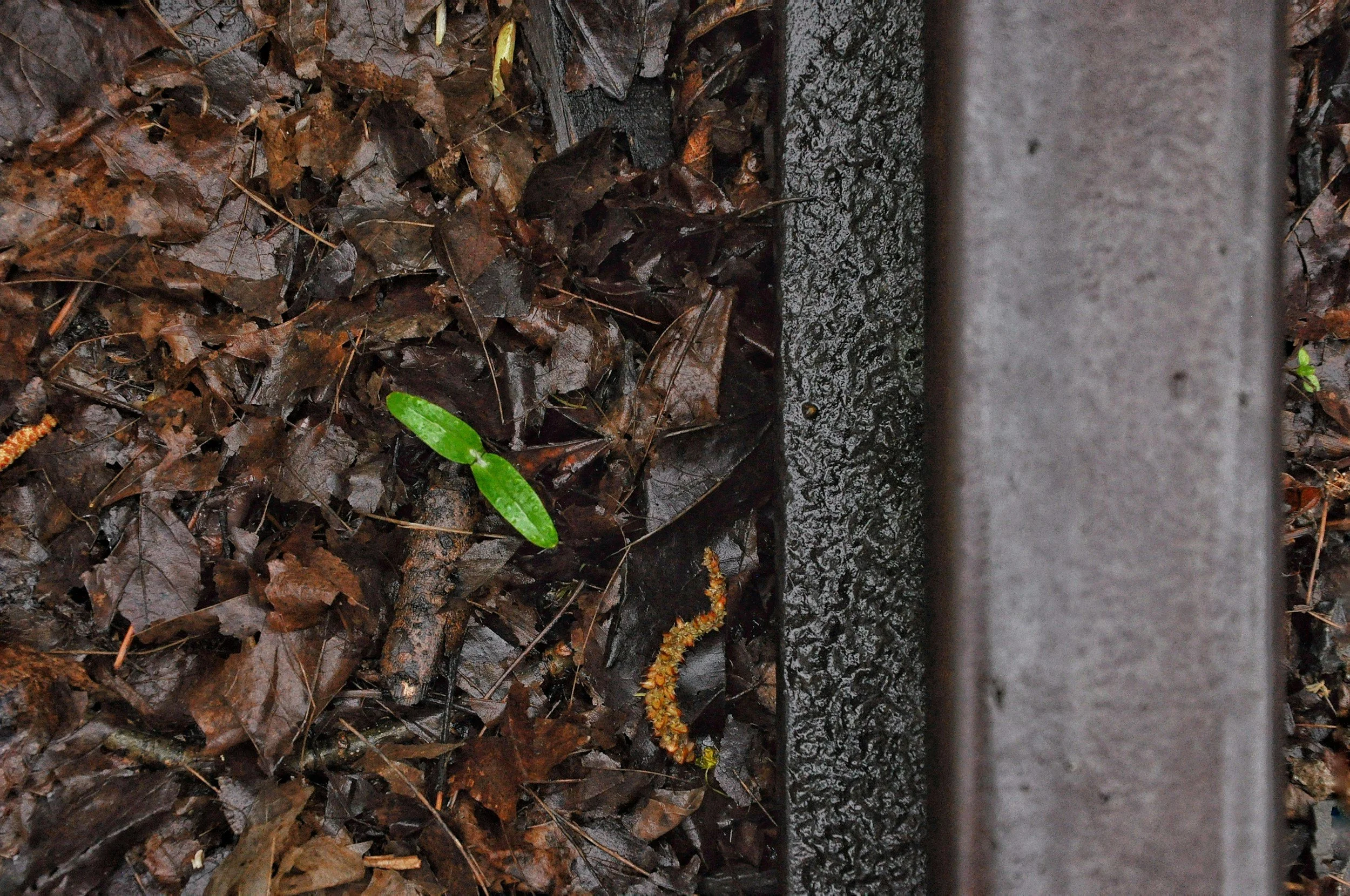
The Philosophy of Small Steps — Why Tiny Actions Create Huge Change
🪜 Why We Think Change Has to Be Dramatic
When I first started challenging myself to grow, I thought transformation needed to be huge. You know — epic challenges, grand life overhauls, the sort of things that sound impressive at dinner parties.
And while I’ve done my fair share of big, unusual challenges (like running a marathon in my garden and walking a banana in public — yes, that happened), I learned something important along the way: real, lasting change often comes from the small stuff.
Tiny actions, repeated daily, shape you more than the occasional heroic leap.
🏛 Ancient Wisdom on Small Steps
The Stoics knew this. Marcus Aurelius didn’t wake up one day and become a philosopher-emperor by accident. His strength came from the quiet habit of writing in his journal every morning, reflecting on life, and refining his thoughts one page at a time.
Zen traditions echo the same truth — sweeping the temple floor each day is as much spiritual practice as sitting in meditation.
It’s not about the size of the step; it’s about the direction you’re walking in.
🧠 The Science Behind Small Steps
Small steps work because:
Neuroplasticity: Your brain rewires itself through repetition. Small daily actions leave deeper grooves than big, one-off efforts.
The Compound Effect: Tiny improvements add up, just like interest in a savings account.
Lower Resistance: Small steps don’t set off the brain’s fear alarms, making them easier to start — and keep going.
🛠 Small Steps I’ve Taken
When I wanted to build my mental resilience, I didn’t start with a mountain climb. I started by:
Learning one new Rubik’s Cube algorithm a week.
Adding ten seconds of cold water to my shower each day.
Writing just one sentence a day toward my book.
Some days, that sentence was all I managed — but it was enough to keep the momentum alive.
🌱 How to Design Your Own Small Step Challenge
Pick an Area You Care About — fitness, creativity, confidence, learning.
Shrink the Goal Until It’s Ridiculously Easy — then start there.
Stack It Onto an Existing Habit — like after brushing your teeth or before making coffee.
Track It — not to judge yourself, but to see the chain grow.
🧭 The Takeaway
Small steps aren’t glamorous, and they won’t grab headlines. But over time, they’re unstoppable.
A tiny daily habit has the power to reshape your mind, your body, and your life.
You don’t have to leap.
You just have to begin — and then begin again, tomorrow.